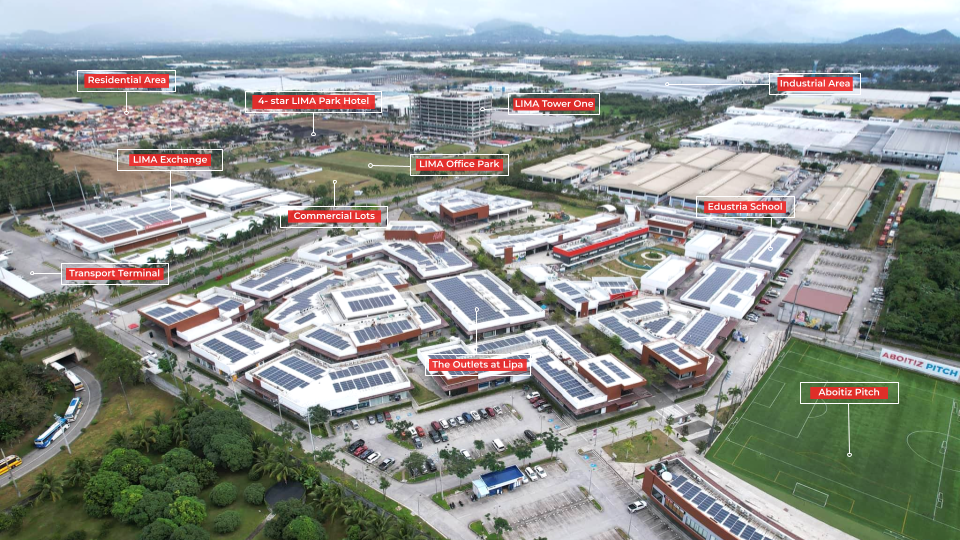
The growing presence of industrial estates in the Philippines has strengthened the country’s position in global manufacturing. By attracting domestic and foreign investments, these estates help expand manufacturing capacity and drive economic growth.
First industrial estates
The establishment of industrial estates in the Philippines began as early as 1969, with the first sites located in Baguio, Bataan, Mactan, and Cavite.
Developed and managed by the Philippine government, these estates initially provided basic utilities such as power and water and catered primarily to export-oriented manufacturing, particularly electronics and garments.
It didn’t take long for government-owned and private developers to recognize industrial estates as investment powerhouses.
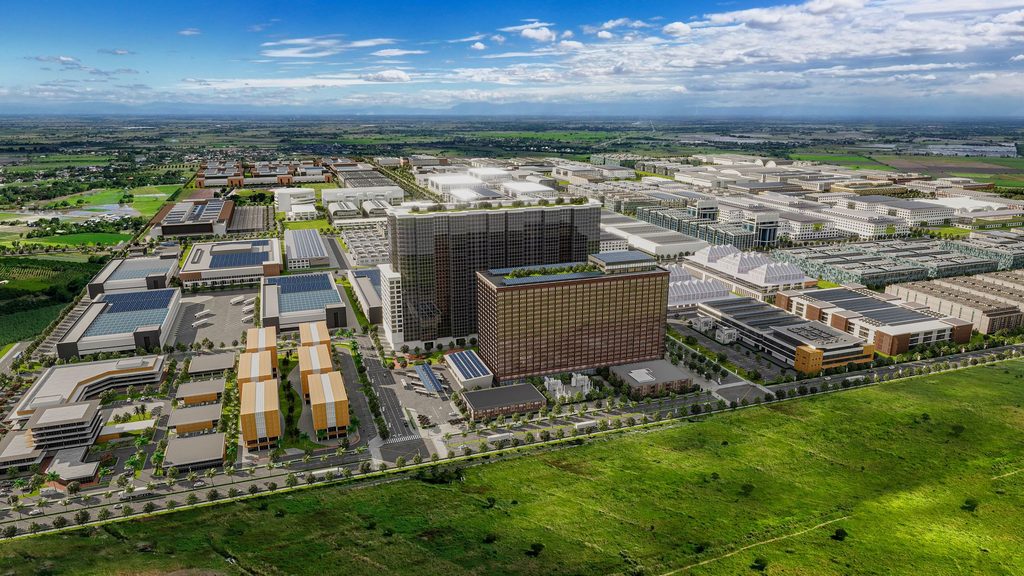
Aboitiz Economic Estates’ portfolio spans Luzon and Cebu.
Establishment of ecozones
In 1995, Republic Act (RA) No. 7916, or the Special Economic Zone Act of 1995, was enacted to promote economic growth through the development of special economic zones (ecozones).
Industrial estates fall under the export processing zone category of ecozones. The law defines an industrial estate as “a tract of land subdivided and developed according to a comprehensive plan under a unified continuous management and with provisions for basic infrastructure and utilities.”
These estates may include pre-built standard factory buildings and community facilities for industrial use.
RA 7916 also established the Philippine Economic Zone Authority (PEZA), a government agency tasked with promoting investments, assisting investors, processing registrations, granting incentives and facilitating the business operations of investors in export-oriented manufacturing and service facilities inside the ecozones.
Sustaining growth
Continued government support, infrastructure upgrades and a skilled workforce remain essential to sustaining the growth of industrial estates in the Philippines.
Beyond providing basic industrial facilities, developers have increasingly emphasized functionality, services, and aesthetics within industrial estates to attract investors.
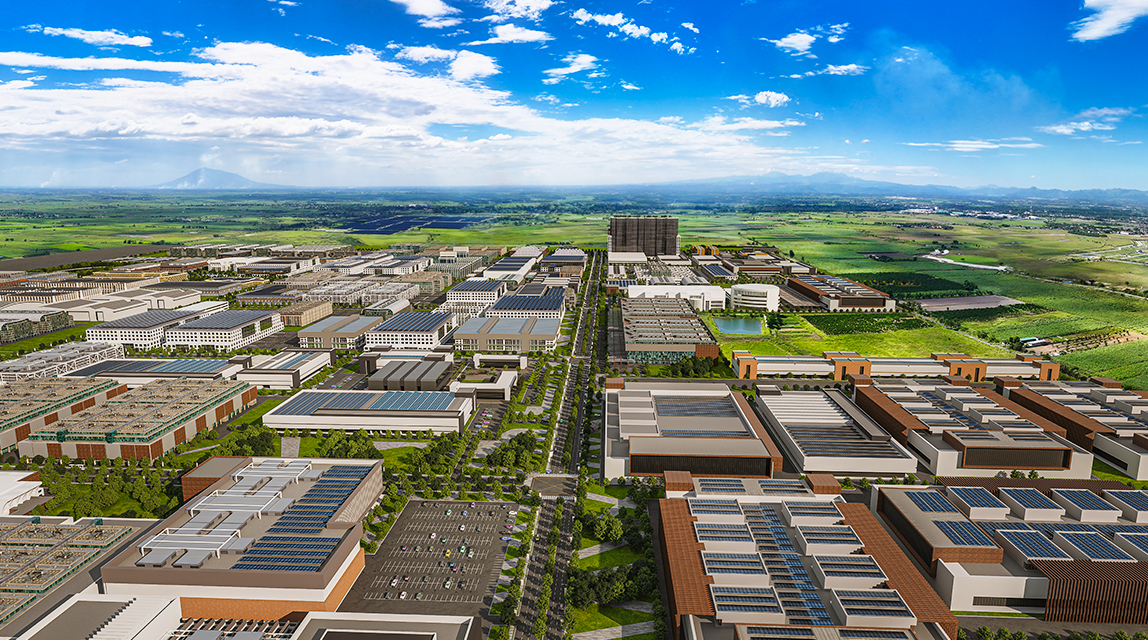
Some have expanded beyond the traditional focus on manufacturing, incorporating modern concepts such as eco-industrial parks, knowledge-based hubs, and logistics centers.
Others have even introduced amenities such as housing, recreational facilities and waste management services, aiming to create self-contained industrial communities.
Industrial estates can also benefit surrounding areas through privately funded road improvements and construction. Developers may likewise incorporate residential and commercial uses on land surrounding industrial zones.

The STAR Tollway Interchange in Bugtong na Pulo, Lipa City, located directly across LIMA Estate connects the estate’s existing and future gateways to the STAR Tollway, South Luzon Expressway (SLEX), and key transport corridors, making Metro Manila and major logistics hubs easier to reach.
Urban districts
As these developments take shape, industrial estates are progressively resembling urban districts while helping sustain manufacturing growth and long-term employment.
This is evident in the industrial estates developed and operated by Aboitiz Economic Estates, one of Asia’s leading developers of industry-anchored mixed-use estates.
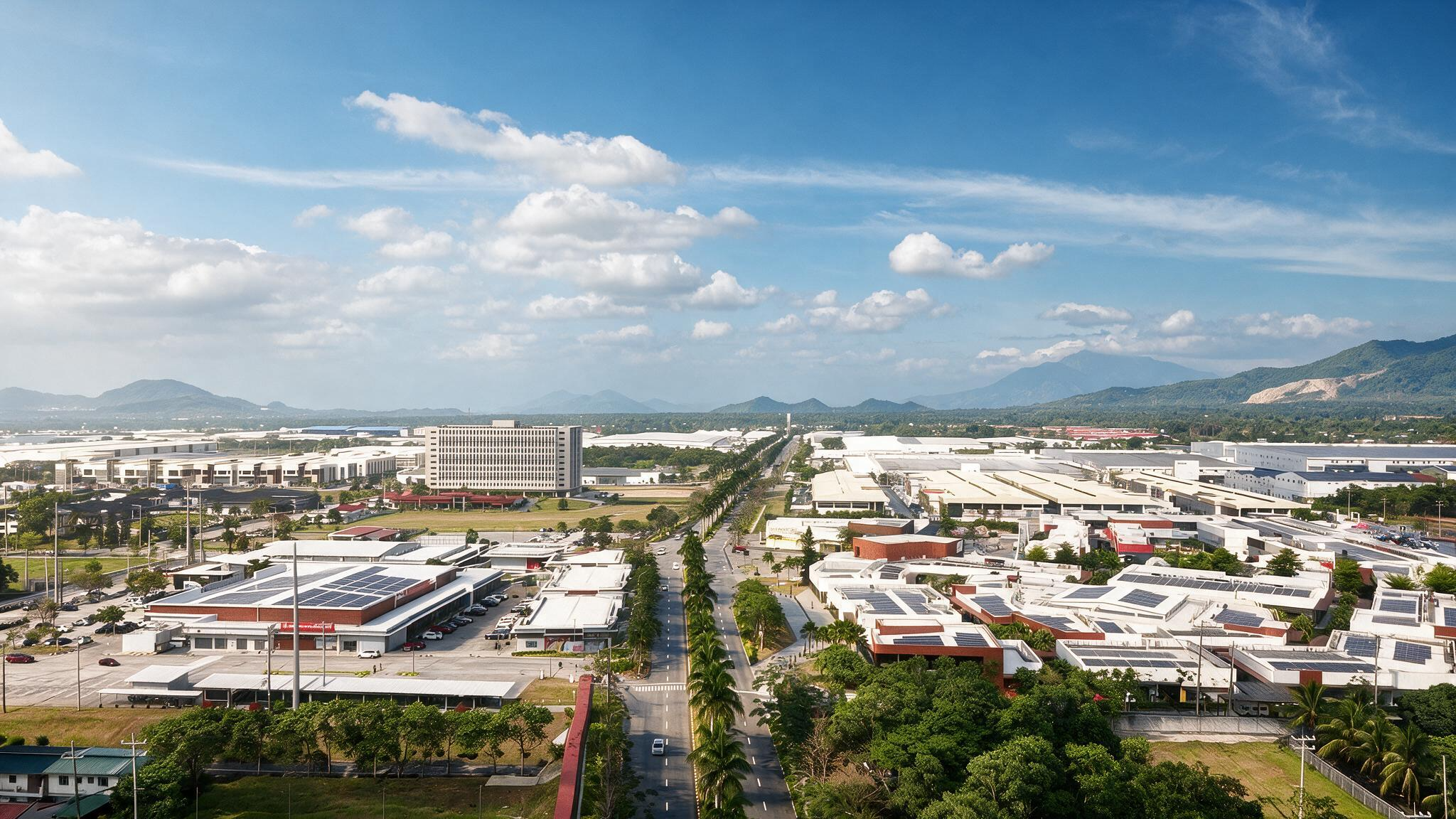
Its LIMA Estate in Batangas, the country’s largest privately led industrial estate, has evolved from a 284-hectare industrial park into a 1,100-ha integrated development supporting manufacturing, commerce, residential communities, education, hospitality, and essential services.
Today, the estate hosts more than 200 multinational and export-oriented locators and supports around 75,000 jobs.
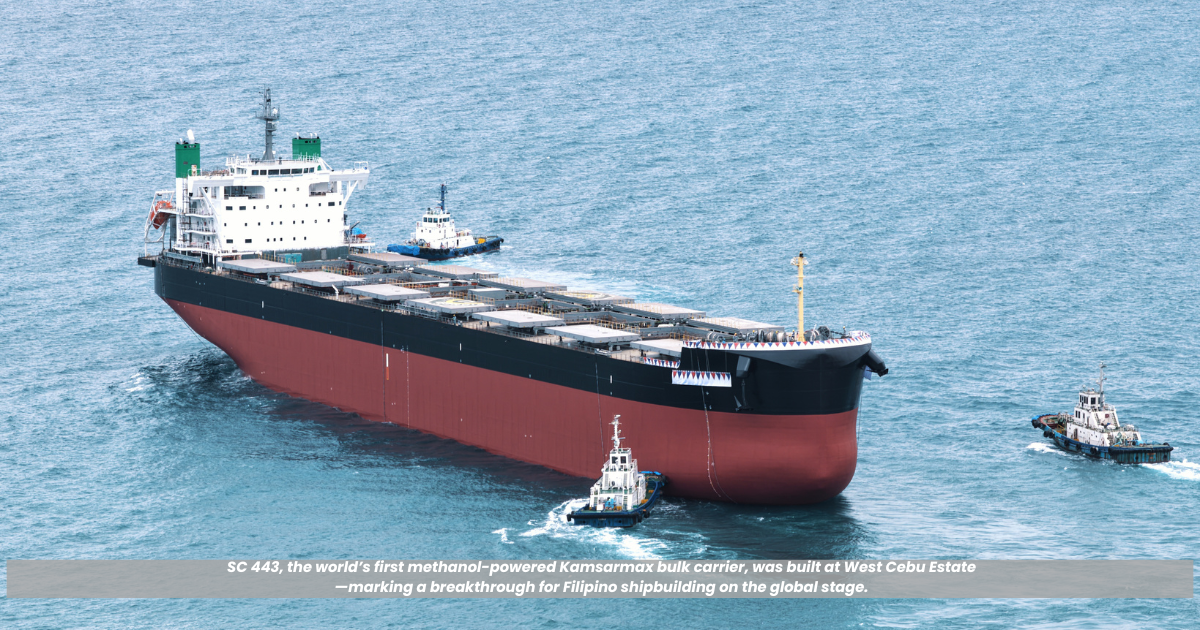
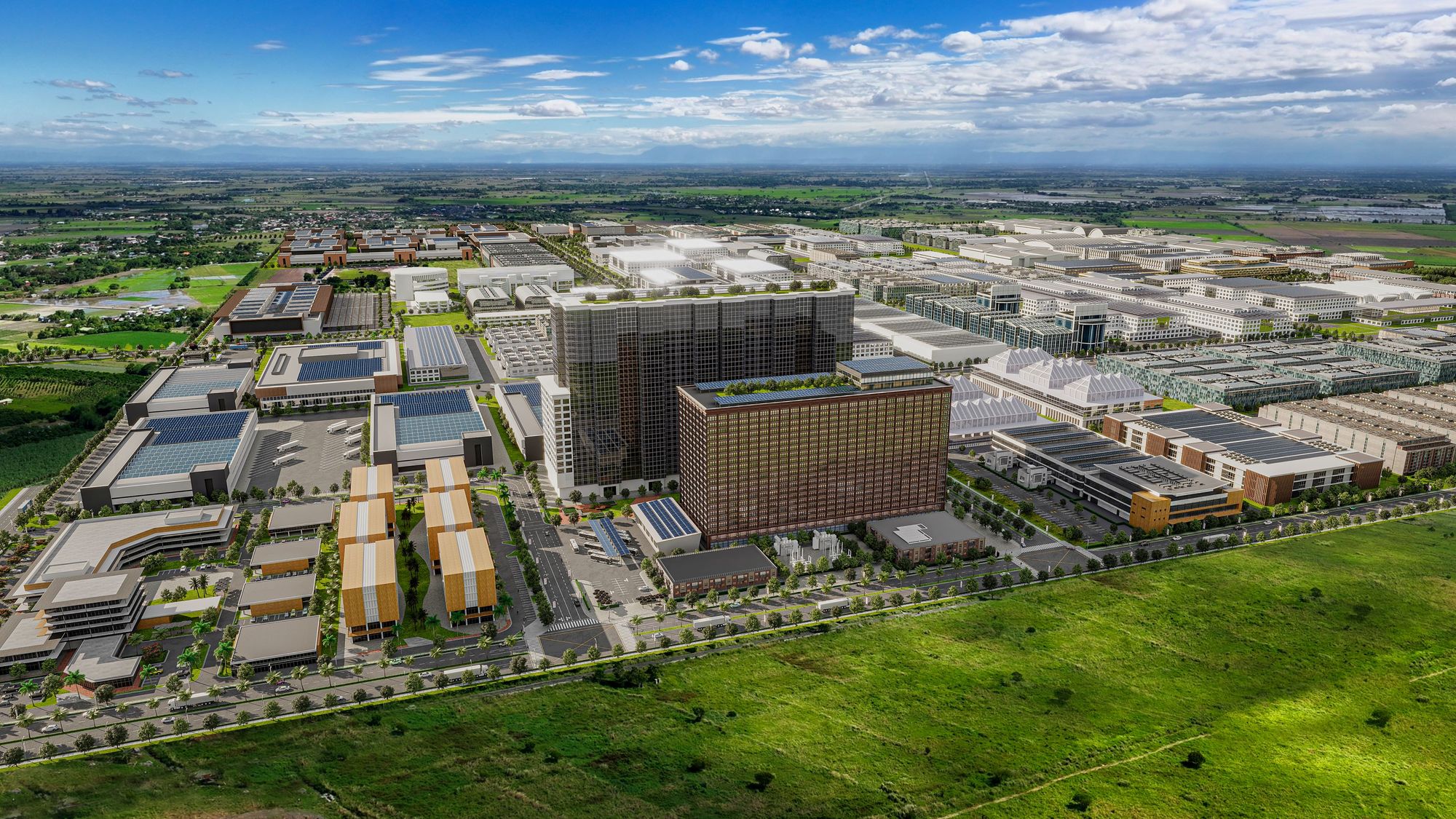
Aboitiz Economic Estates’ portfolio spans Luzon and Cebu. Besides LIMA, it also has TARI Estate, a fully integrated smart city in Tarlac, as well as Mactan Economic Zone 2 in Lapu-Lapu City and West Cebu Estate in Balamban town, both located in Cebu province.
To meet the changing needs of manufacturers and other businesses, Aboitiz Economic Estates is broadening its industry-linked workforce programs to develop a stronger talent pipeline and align skills development with industry requirements.
(Source: https://plus.inquirer.net/property/the-rise-of-the-philippines-industrial-growth-engines/)